
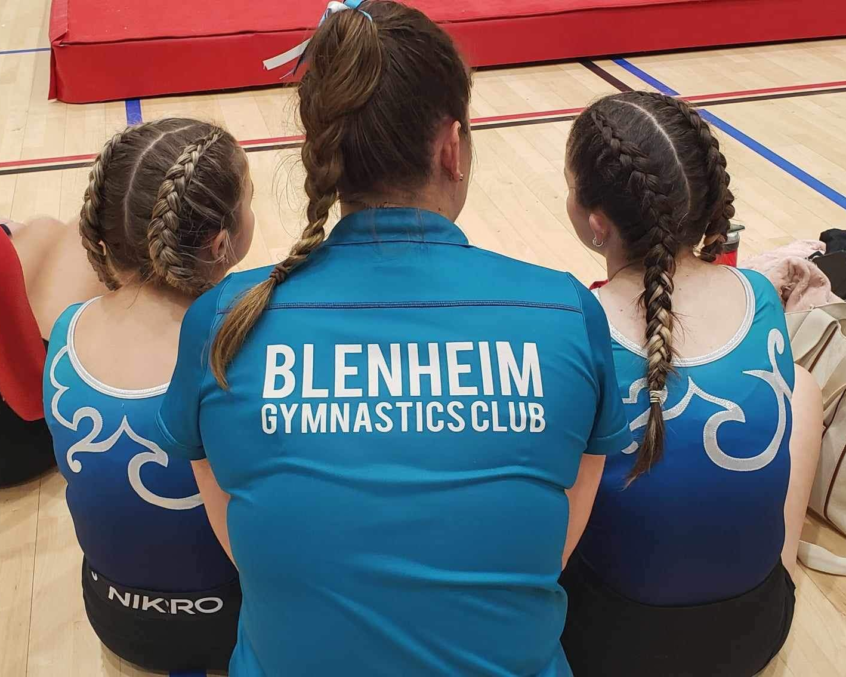
For years, Blenheim Gymnastics Club has been built on the support of volunteers. That volunteer spirit remains one of the club’s greatest strengths, but as demand for gymnastics has grown, so has the pressure on the people giving their time.
With around 150 children on the club’s waitlist, the committee knew simply waiting for its long-term goal of a purpose-built facility wasn’t enough. Families wanted more opportunities for their children to participate, while coaches and administrators were already managing growing workloads within a largely volunteer-run model.
The challenge became clear: how could the club say yes to more families without continually asking more of its volunteers?
“The community wasn’t asking us to stay the same. They were asking us to create more opportunities for their children while protecting the volunteers who have built this club,” says Terri Hendriks, acting club president.
An opportunity to operate from a second commercial facility offered a way forward, effectively allowing the club to double the number of classes available. But running two venues and significantly increasing the programme wasn’t sustainable under the existing model.
The committee made the decision to move towards a paid staffing structure, creating capacity for coaches and administration while continuing to value the important contribution of volunteers. It meant investing some of the funds previously set aside for a future permanent facility, balancing the needs of families today with the club’s longer-term plans.
Recognising the scale of the change, the committee also reviewed how the club was governed. With support from Gymnastics NZ and guidance from Sport New Zealand, it updated its constitution, developed board position descriptions and used a skills matrix to identify the expertise needed for the club’s next stage. Following strong interest from members, the community is now voting to elect the club’s inaugural board.
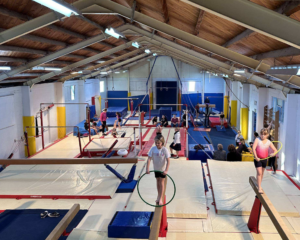
The changes are not about replacing volunteers. They will continue to play an important role across coaching support, judging, fundraising, events, and other areas of club life. Instead, the new structure aims to protect volunteers from burnout while giving the club greater capacity to meet growing demand.
Once the new board is established, work will continue on staffing structures, recruitment and plans for the second facility. The immediate priority is to reduce the waitlist and give more children the opportunity to take part in gymnastics, with longer-term possibilities including disciplines such as trampoline and parkour.
For Blenheim Gymnastics Club, the changes reflect a willingness to listen, adapt, and find a more sustainable way to serve its community, all while protecting the volunteer spirit that has helped build the club in the first place.